Politik und Propaganda
Charlie und sein Orchester
Charlie und sein Orchester waren eine von den Nazis gesponserte deutsche Propaganda-Swingband. Sie spielten Jazzstandards, die bei englischen Zuhörern beliebt waren.







Unter dem NS-Regime wandelte sich die Musik von einer Quelle des künstlerischen Ausdrucks zu einem mächtigen Kontroll- und Propagandainstrument. Dieser Abschnitt befasst sich mit der Politik und Propaganda der Musik im nationalsozialistischen Deutschland und untersucht, wie das Regime die Musik nutzte, um die öffentliche Meinung zu manipulieren, seine Ideologie zu fördern und seine Feinde zu dämonisieren.
Wir untersuchen die systematische Zensur "entarteter" Musik, die durch ihre jüdische oder "nichtarische" Herkunft definiert wurde, und die Förderung von Musik, die als "Volksmusik" galt, um eine einheitliche nationale Identität zu festigen. Wir werden auch den Einsatz von Musik bei Kundgebungen, Aufmärschen und Radiosendungen analysieren, um nationalistische Begeisterung zu wecken.
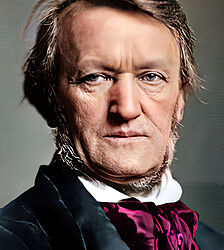
Wilhelm Richard Wagner (1813-1883) war eine der bedeutendsten Persönlichkeiten in der Geschichte der Oper, deren Musik durch den Antisemitismus des Komponisten getrübt wird.

Der Komponist Hans Pfitzner (1869-1949) sah sich als Verteidiger der deutschen Nation, ihrer Werte und ihrer Kultur gegen ein "entartetes" und "verdorbenes" Frankreich. In seinem Entnazifizierungsprozess wurde er, ebenso wie Furtwängler, Egk und Strauss, für nicht schuldig befunden.

Der Komponist Carl Orff (1895-1982) verschaffte sich und seiner Musik einen Platz im nationalsozialistischen Deutschland. Nach dem Zweiten Weltkrieg wurde er auf eine schwarze Liste gesetzt, um entnazifiziert zu werden. Mit Hilfe eines amerikanischen Freundes gelang es ihm jedoch, seinen Namen reinzuwaschen.

Otto Klemperer (1885-1973) war ein jüdischer, deutschstämmiger Dirigent und Komponist, der als "der letzte der wenigen wirklich großen Dirigenten seiner Generation" bezeichnet wurde. Im April 1933 floh er nach Österreich und ließ Frau und Kinder zurück, um ihnen zu folgen, sobald er einen festen Wohnsitz gefunden hatte.

Herbert von Karajan (1908-1989) war ein österreichischer Dirigent. Er war 35 Jahre lang Chefdirigent der Berliner Philharmoniker. Er gilt allgemein als einer der größten Dirigenten des 20. Jahrhunderts und war von Mitte der 1950er Jahre bis zu seinem Tod eine dominierende Figur in der europäischen klassischen Musik.

Der Geiger und Dirigent Gustav Havemann (1882-1960) entwickelte sich von einem modernistischen Musiker und Freund radikaler jüdischer Komponisten zu einem engagierten NS-Musikideologen und schließlich nach dem Krieg zu einem glühenden Antifaschisten.

Nur wenige sind so sehr mit Debatten über Kollaboration, passiven Widerstand und die Spannung zwischen Kunst und Politik verbunden wie Wilhelm Furtwängler (1886-1954). Im Jahr 1933 war er 47 Jahre alt, auf dem Höhepunkt seiner Karriere und sah sich als Verteidiger des musikalischen Erbes Deutschlands.

Clemens Heinrich Krauss (1893-1954) war ein österreichischer Dirigent und Opernimpresario, der insbesondere mit der Musik von Richard Strauss in Verbindung gebracht wurde. Er wurde als "mächtigster Mann der deutschen Oper" und als "Kulturführer" bezeichnet und machte unter dem NS-Regime eine steile Karriere.

Der Musiker Walter Starkie, der "El British" gründete und sich mit General Franco traf, um den kulturellen Austausch zwischen Großbritannien und Spanien zu formalisieren. Starkies Bemühungen trugen dazu bei, dass Spanien während des Zweiten Weltkriegs neutral blieb.

Dame Julia Myra Hess, DBE (1890-1965) war eine englische Pianistin, die vor allem für ihre Interpretationen der Werke von Bach, Mozart, Beethoven und Schumann bekannt war. Während des Zweiten Weltkriegs veranstaltete sie Konzerte in der National Gallery, um die Stimmung zu heben.

Mit Erlaubnis von Göring konnte Heinz Tietjen Leo Blech trotz seiner jüdischen Herkunft weiter beschäftigen. Er wurde „aus Altersgründen“ entlassen und ging ins Exil nach Riga, wo er als erster Gast der Nationaloper zahlreiche erfolgreiche Opern dirigierte.

Der Komponist, Dirigent und Musiker Bernhard Sekles war einer der ersten, der sich um die Ausbildung im Jazz kümmerte, aber auch einer der ersten, der vom Nazi-Regime verfolgt wurde.

Nach dem "Anschluss" 1938 wurde Franz Schmidt (1874-1939) von den Nazis zum größten lebenden Komponisten der Ostmark ernannt. Bei der Uraufführung seines Werks Das Buch mit Sieben Siegeln soll Schmidt den Hitlergruß gezeigt haben.

Der Pianist Karlrobert Kreiten (1916-1943) wurde von einem Nazi-Sympathisanten dabei belauscht, wie er sagte, Hitler sei "brutal, krank und verrückt". Er wurde durch den Strang hingerichtet. Am Tag nach seiner Hinrichtung erfuhr seine Mutter, dass ihr Gnadengesuch angenommen worden war.

Jack Hylton (1892-1965) und seine Band tourten in den 30er Jahren regelmäßig in Deutschland, als die Nazis die Jazzmusik verboten. Während des Zweiten Weltkriegs lösten sich Jack Hylton und sein Orchester auf, nachdem sie jede andere Band in Europa überflügelt hatten.

Charlie and his Orchestra war eine von den Nazis gesponserte deutsche Propaganda-Swing-Band. Sie spielten Jazz-Standards, die bei englischen Zuhörern beliebt waren, jedoch mit veränderten Texten. Diese musikalische Form der Propaganda trug zur Verbreitung der Nazi-Ideologie bei und vermittelte eine defätistische Botschaft in den Reihen der Nazifeinde, ob Briten oder Amerikaner.

Eine beunruhigende Geschichte eines französischen Musikers ist die des Sängers Maurice Chevalier. Sein Fall wird immer Verdacht erregen, aber er verdeutlicht auch die schwierige Situation vieler Musiker im Frankreich der Kriegszeit, die es einfach nicht vermeiden konnten, in die politische Krise verwickelt zu werden.

Edith Piaf (1915-1963) war keine engagierte Widerstandskämpferin. Ihre Karriere stand für sie an erster Stelle, und sie empfand eindeutig ein gewisses Mitleid mit den Nazis, von denen einige ihre Fans gewesen waren. Alles in allem scheint es, dass sie das Beste aus der Situation gemacht hat.

Marie Magdalene "Marlene" Dietrich war eine deutsch-amerikanische Schauspielerin und Sängerin. Während ihrer langen Karriere, die sich von den 1910er bis in die 1980er Jahre erstreckte, erfand sie sich immer wieder neu. Im Berlin der 1920er Jahre agierte die Dietrich auf der Bühne und in Stummfilmen.

Salim Halali war ein Sänger, der für seine traditionelle arabisch-andalusische Musik und als Ikone der französisch-arabischen Kabarettmusik bekannt wurde. Er überlebte in Frankreich unter gefälschten Papieren als Muslim.

Alfred Rosenberg (1893-1946) schrieb Der Mythus des 20. Jahrhunderts" (1934), in dem er für die Vorherrschaft der "arischen" Rasse und die Bedrohung durch die Juden plädierte. Er wurde wegen Verbrechen gegen die Menschlichkeit für schuldig befunden und hingerichtet.
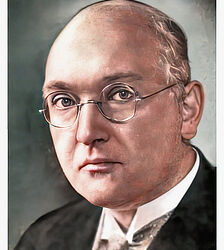
Hans Joachim Moser (1889-1967) gab Amerika und den Juden die Schuld an der Kommerzialisierung der Musik. Sein Engagement für die Feierlichkeiten in Deutschland brachte ihm die Anerkennung der Nazis ein und er wurde zum Generalsekretär des Propagandaministeriums befördert.

Herbert Gerigks (1905-1996) Lexikon der Juden in der Musik war so populär, dass bis 1943 Tausende von Exemplaren im gesamten Deutschen Reich kursierten. Selbst im Rahmen der NS-Ideologie war Gerigk als besonders konservativ und kritisch bekannt.

Der Autor des 1939 erschienenen Buches Mendelssohn, Meyerbeer, Mahler: Drei Kapitel des Judentums in der Musik als Schlüssel zur Musikgeschichte des 19. Jahrhunderts begründete Karl Blessingers (1888-1962) Ruf als einer der prominentesten antisemitischen Musikwissenschaftler des Dritten Reiches.
Charlie und sein Orchester waren eine von den Nazis gesponserte deutsche Propaganda-Swingband. Sie spielten Jazzstandards, die bei englischen Zuhörern beliebt waren.
Musik war im Dritten Reich nicht einfach eine weitere Kunstform. In der Vorstellung der Nazis hatte die Musik eine einzigartige Bedeutung und Macht.
Am 13. Februar 1934 hielt der Komponist Richard Strauss eine Rede zur Feier einer der zentralen Kultureinrichtungen des Dritten Reiches: der Reichskulturkammer.
Strauss hatte gute Beziehungen zur Nazipartei - zu seinem 70. Geburtstag am 11. Juni 1934 erhielt er gerahmte Porträts mit Unterschriften von Hitler und Goebbels.
Das Neujahrskonzert der Wiener Philharmoniker begann als Nazi-Propaganda. Die Hälfte waren Nazis und die dreizehn jüdischen Mitglieder wurden vertrieben, sieben von ihnen starben in Lagern.

Du kleiner Kasten, den ich flüchtend trug,
Daß meine Lampen mir auch nicht zerbrächen,
Besorgt vom Haus zum Schiff, vom Schiff zum Zug,
Daß meine Feinde weiter zu mir sprächen,
An meinem Lager und zu meiner Pein,
Der letzten nachts, der ersten in der Früh,
Von ihren Siegen und von meiner Müh:
Versprich mir, nicht auf einmal stumm zu sein!
